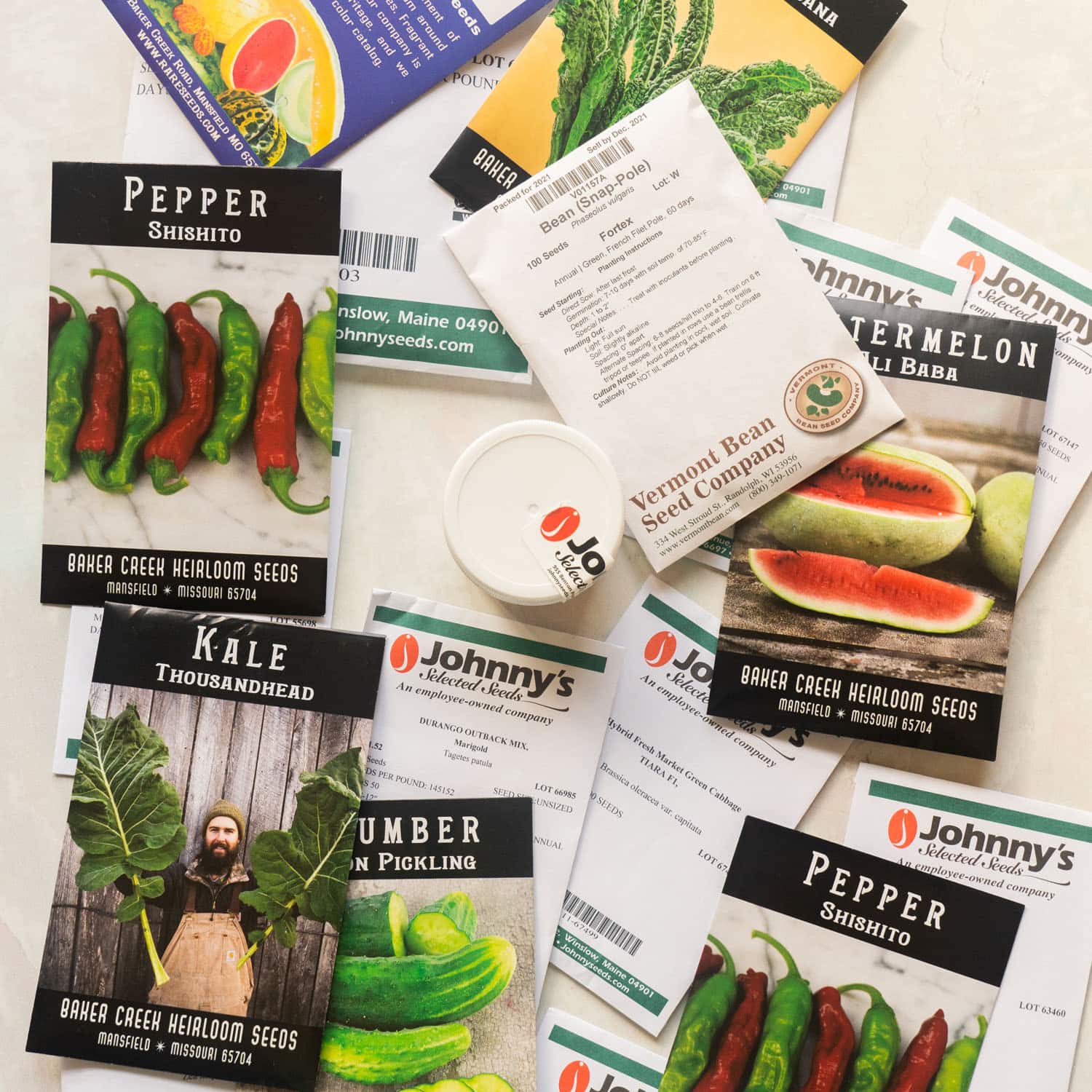
Zone 7 Spring Planting: Your Blueprint for a Bountiful 2021 Garden
Spring in Zone 7 bursts forth with an energy that’s palpable for any gardener. After the quiet dormancy of winter, the earth begins to thaw, signaling the start of a vibrant, busy season. For those eager to cultivate a thriving landscape, understanding the optimal timing for seed starting and crop scheduling is paramount. This comprehensive guide will walk you through the essential monthly tasks from March to May, offering invaluable insights for your
2021 garden plans for Zone 7, ensuring you maximize your harvest and enjoy a truly spectacular growing season.
Understanding Zone 7 Spring: A Season of Growth and Planning
Zone 7 typically experiences its last frost between April 1st and April 15th, making early spring a crucial period for both indoor preparations and hardy outdoor plantings. The rapidly warming soil and increasing daylight hours kick gardens into high gear, requiring gardeners to be strategic and proactive. Spring in Zone 7 is a dynamic blend of initiating indoor seed starts for summer harvests, setting up the garden infrastructure, nurturing cool-weather vegetables, and delighting in early spring blooms. It’s a season where thoughtful planning truly pays off, laying the groundwork for abundance through summer and beyond.
March: The Kick-off to Your Zone 7 Garden Plan
March marks the official awakening of the gardening season in Zone 7. While some days may still carry a winter chill, the earth is warming, and the urge to dig in is irresistible. This month is a whirlwind of indoor seed starting and getting the initial outdoor cool-season crops into the ground.
Indoor Seed Starting in March
Early March is prime time for sowing seeds indoors that require a head start before outdoor planting. These include robust cool-season crops like
beets,
broccoli,
cauliflower,
Brussels sprouts, and various types of
cabbages. Don't forget any flowers that benefit from early indoor germination to ensure they bloom robustly come summer. Use a quality seed starting mix, ensure adequate light (grow lights are highly recommended), and maintain consistent moisture.
As the month progresses, typically towards the end, it’s time to shift focus to warmth-loving plants. Start seeds for
peppers and
eggplant indoors. These vegetables need a long growing season and will benefit immensely from the extra weeks of development indoors before they brave the outdoors. Providing a heat mat can significantly improve germination rates for these heat-loving varieties.
Outdoor Planting and Garden Prep in March
As soon as the soil thaws enough to be worked – meaning it crumbles easily rather than clumping – your outdoor garden space demands attention. Remove any leftover winter mulch from strawberry plants and conduct a thorough garden cleanup, clearing out debris and trimming dead foliage.
One of the most exciting early March outdoor tasks is planting
peas. These resilient legumes can handle surprisingly cold and even snowy conditions, making them perfect candidates for early planting. Bare root plants, such as asparagus crowns or fruit trees, along with any shrubs or perennial plants you purchase from local nurseries, can also go into the ground.
Once the soil is ready, begin direct sowing seeds or planting transplants for a wide array of cool-season vegetables. This includes
radishes, more
beets,
broccoli,
cauliflower,
Brussels sprouts,
spinach, various types of
lettuces, more
cabbages, and
carrots. Late in the month, you can also plant onion sets or starts. This period sets the foundation for your earliest fresh harvests.
April: Nurturing Growth and Expanding Your Zone 7 Harvest
April in Zone 7 is characterized by accelerated growth and the pivotal transition towards preparing for warm-season crops. The threat of hard frost diminishes, allowing for more expansive outdoor activities.
Continuing Outdoor Sowing and Transplanting
Keep the momentum going by continuing to sow cool-season crops outdoors. Successive plantings of
beets,
peas,
broccoli,
cauliflower,
Brussels sprouts,
spinach,
lettuces,
cabbage,
carrots, and
radishes will ensure a continuous harvest. As your seedlings emerge, remember to thin them to the appropriate spacing to allow each plant ample room to develop. Any cool-season seedlings you started indoors in March should be hardened off – gradually introduced to outdoor conditions – and then transplanted into the garden. This process prevents transplant shock and encourages robust growth. For a more detailed look at specific tasks, refer to our guide on
Zone 7 Spring Gardening: Your Monthly Planting & Care Guide.
Indoor Seed Starting for Summer Staples
Early April is the critical window for starting
tomato seeds indoors. Tomatoes, like peppers and eggplants, demand a lengthy growing season, and starting them indoors gives them a vital head start. Select varieties suited to your space and preferences, ensuring they have plenty of light and warmth.
Essential Garden Maintenance
Beyond planting, April is a month for significant garden maintenance. Work a generous layer of compost into your garden beds to replenish nutrients and improve soil structure. Continue with garden cleanup, raking up old leaves, clearing away dead plant material, and pruning any spent spring shrubs or flowers. This is also an ideal time to divide perennials that have become overcrowded, giving them new life and creating more plants for your landscape.
As warmer days arrive (consistently above 50°F), begin the hardening-off process for your indoor-started warm-season plants like tomatoes, peppers, and eggplants. This gradual acclimatization, typically over 7-10 days, involves moving them outdoors for increasing periods before final transplanting. If you notice small seedlings being disturbed or pulled up, consider adding bird netting to protect your vulnerable young plants.
May: Shifting Gears to Warm-Season Wonders in Zone 7
May brings the promise of summer and the full transition to planting tender, warm-season crops in Zone 7. The danger of frost is typically past, and the soil is sufficiently warm for these heat-loving plants to thrive.
Transitioning to Warm-Season Crops
This is the month to get nearly all your summer favorites into the ground. Direct sow seeds or plant transplants for
cucumber,
cantaloupe, various types of
beans,
corn,
squash (both summer and winter varieties), and other
melons. While you can still sow some cool-season vegetables for a late spring harvest, the primary focus shifts to summer crops.
The highlight of May for many Zone 7 gardeners is transplanting tomatoes. After careful hardening off, mid-to-late May is generally safe to move your tomato plants into their permanent outdoor homes. Ensure they have adequate support from cages or stakes from the start.
Ongoing Garden Care and First Harvests
With warmer temperatures and rapid growth, ongoing garden care becomes crucial. Remember to water your garden beds and lawns regularly, especially during dry spells. Apply a balanced fertilizer to give your vegetable garden a nutritional boost. This is also an excellent time to start planting summer annuals to add continuous color to your landscape.
Mulching is a vital task in May. Applying a layer of organic mulch around your plants helps conserve soil moisture, regulate soil temperature, and, most importantly, suppress weeds, reducing your workload significantly later in the season. Lawns will also require regular mowing as growth picks up.
Finally, savor the rewards of your early spring efforts! May often brings the first harvests of cool-season vegetables like radishes, lettuces, spinach, and early peas. Enjoy the fresh, homegrown flavors as a testament to your hard work. For a detailed checklist of these crucial tasks, check out our guide on
Essential Zone 7 Spring Garden Plan: March to May Tasks.
Beyond Spring: Gearing Up for a Bountiful Zone 7 Summer
As May transitions into June, the gardening rhythm shifts. While spring focuses heavily on planting, summer is all about vigilant maintenance: consistent weeding, regular pest checks, and providing consistent care for your rapidly growing garden and lawn. The extended daylight and warm weather provide the perfect opportunity to spend time outdoors, observing and enjoying the beauty you've cultivated.
Conclusion
Embarking on your
2021 garden plans for Zone 7 is an exciting journey of planning, patience, and ultimately, immense reward. By following this comprehensive monthly guide for seed starting and crop scheduling from March through May, you're not just planting seeds; you're cultivating a season of fresh produce, vibrant blooms, and profound satisfaction. Embrace the unique opportunities each spring month offers, and watch your Zone 7 garden flourish into a productive and beautiful oasis. Happy gardening!